

Rose Care FUNda­men­tals – February 2026

Frank Brines

Frank Brines
ARS Master Rosarian

For roses, winter is a time of dormancy, resetting the clock and preparing resources for a burst of growth in spring. However, winter in Southern California is usually short and often warm, which can interrupt the natural dormancy process. There are several things you can do to help move the process along and prepare your roses for a great year of blooms. In fall, you can refrain from deadheading and allow hips to form. You can also cut back on feeding.

Once the danger of frost has passed, the next step is to give your roses a major annual pruning. If you have not begun pruning yet, do not worry. There is still plenty of time to have blooms for rose shows or special spring events.

According to experienced rosarians, the proper time for the major annual pruning is late winter. In an area like Southern California, which includes many weather zones, that can mean different things. The key is to prune late enough to avoid frost damage to the tender new growth that follows pruning.

In most of the Temecula Valley region, the last average frost date is mid-March, which means pruning is generally safe in mid- to late February. This is always a bit of a gamble, so the best advice is to watch the weather. If there is winter rain during January or February, pruning can be delayed, as rain makes the ground colder and wetter than usual.

After pruning, you can typically expect a flush of blooms eight to twelve weeks later, depending on temperatures. Warmer weather shortens the time to bloom. If you prune in the latter half of February, blooms will likely appear in mid- to late April. If you want blooms for a specific date, count backward approximately ten weeks and complete pruning by that date.

Classes of Roses

Different classes of roses benefit from different styles of pruning. To discover the class of a rose you’re working on, go to https://www.helpmefind.com/rose/plants.php and type all or part of the rose’s name to get links that best match your rose. In that information will be its class. This month’s column presents pruning techniques that work well for the first five classes described below. They are not really applicable to climbers, ground cover roses, or shrub roses: all those types have their own pruning methods.

  1. Hybrid Tea Roses (HT): You can think of these as “florist roses.” Their buds are usually borne on long stems with elegant high centers before opening, and 30 to 50 petals. If blooms are consistently removed, most hybrid teas will produce a new “flush” of blooms every six to eight weeks.
  2. Floribunda Roses (Fl): Large clusters of flowers and generally in continuous bloom through the growing season. They require less care and offer practically a hands-free experience.
  3. Grandiflora Roses (Gr): A subclass of hybrid teas but with floribunda features. They have elegant showy clusters of three to five blooms with nearly hybrid tea form and a constant growth cycle like floribundas. They tend to be larger and taller than hybrid teas.
  4. Polyantha Roses (Pol): Like floribundas but much shorter and with smaller, prolific blooms. They work well for edgings and hedges, and can be easily grown in pots. They are generally low-maintenance and relatively disease-resistant.
  5. Miniature Roses (Min): These have hybrid tea or grandiflora forms but are typically shorter and a bit more compact. Miniature roses can grow anywhere between 15 to 30 inches, whereas mini-flora roses tend to be intermediate-sized blooms closer to the size of a floribunda.
  6. Shrub Roses: These tend to sprawl from 5 to 15 feet in every direction, producing abundant clusters of blossoms. There are many subcategories, including the “David Austin English Roses.” Note: To prune shrub roses, cut them back to conform to the space you want them to fill, inspect and clean out dead and diseased material from the center, shorten canes and remove about one third of the growth.
  7. Groundcover Roses: Also called “landscape” roses, these are low‑maintenance and well suited as space fillers. They sprawl outward but reach no more than three feet tall, are generally disease‑ and pest-resistant, and bloom continuously.
  8. Climbing Roses: These are not a class, but more of a description, that is, there are grandiflora or floribunda climbing roses. They can’t actually “climb” like vines, but they produce long, sturdy, upright and sometimes arching canes which can grow up to 15 feet, going beyond a trellis, fences, arbors or pergolas. They tend to produce more flowers when grown horizontally rather than vertically.

Getting Your Tools Ready

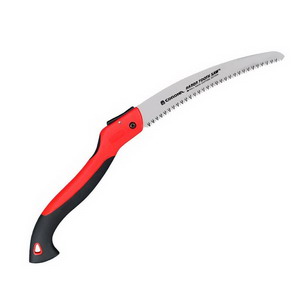
Before you prune, get your equipment in good order. Ideally, you will have gloves with arm protectors, a long handle lopper, a hand-held pruning saw, and a pair of sharp clean “bypass” hand pruners. The standard hand pruner is good for one‑inch diameter cane, the loppers and saw for anything thicker. (Using too small a pruner on too large a cane can damage the cane and “spring” the pruner so it doesn’t produce a clean cut.)

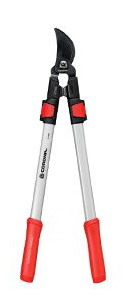
 

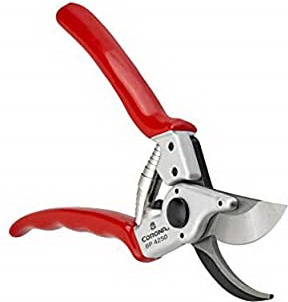
Bypass Pruners

What does “bypass” mean? Compare your pruners to the image shown above: Bypass pruners have a sharp cutting blade (which slices through the cane) and a dull curved non‑cutting blade (which holds the cane in place during the cut). The sharp blade “by passes”, or over shoots, the dull curved blade. This is in contrast to an “anvil” pruner which has a straight blade that comes down on a straight bar.

Follow these steps to get your tools ready:

  1. Lubricate the moving parts with a little light oil (such as 3-in-1 oil), and make sure they operate without resistance.
  2. Clean all tools with rubbing alcohol before and during the job. It helps prevent transmitting diseases from plant to plant and you can use it as first aid for punctures and scratches to your skin.
  3. Sharpen each blade with a small diamond file (available at garden centers), trying as much as possible to match the original bevel of the blade. Every 100 cuts or so, swipe the file over the blade a few times to keep it sharp. If you notice that your pruners are crushing the stems and/or leaving a “tail” (a small strip of tissue sticking up from the cut) then it’s past time to sharpen them!

Gross Pruning

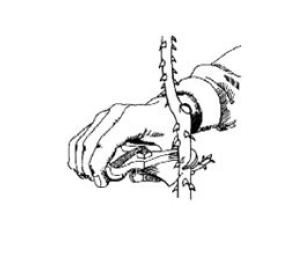
For all cuts, orient your pruners or lopper so that the non‑cutting blade is in contact with the portion of the cane that will be removed, and the cutting blade is on the side of the cut that will remain on the plant. (See “Blade Orientation” below right.) This will make more sense when you are actually holding the pruners and getting ready to cut!

A word of caution when gross pruning: Look for the small nests of hummingbirds, as this is the nesting period for two varieties in our area. Also, if you discover praying mantis egg cases on any branches you remove, find a place to put them where they will be undisturbed and hatch out so you can benefit from the offspring!

  • In Southern California our rose bushes can grow quite large, so start with some gross pruning to bring the project down to size. I use loppers to cut every bush down to about 3 – 4 feet high.
  • Next, remove all the leaves from the plant and discard into green waste bin. This removes diseased material and helps you see the structure clearly.
  • Use your hand pruners or loppers to remove canes that are twiggy, dead, crossing other canes, or passing through the center of the plant.

Fine Pruning

After removing all that stuff from the interior of the bush, you’re ready to do your fine pruning. Apply these guidelines:

  • Prune each cane down to a height you feel comfortable with, likely between 12″ and 24″ tall. (See “Pruning Styles” image below.)
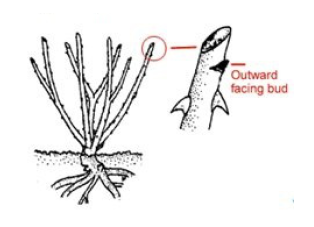
  • When pruning a cane, make an angled cut about half an inch above an outward facing bud. (See “Outward Facing Bud” image below.) This ensures that the stem grows away from the center of the plant. Note that there are always one to three buds wherever a leaf met the cane; outward-facing buds tend to be about 4″ apart. If you prune lightly to moderately—that is, if you keep your canes a little longer rather than shorter—and if frost damages the tender young growth, then you can still re‑prune to the next bud down.
  • Attempt to end up with a domed top to the degree possible so the plant will bush out in a pleasing, balanced manner.
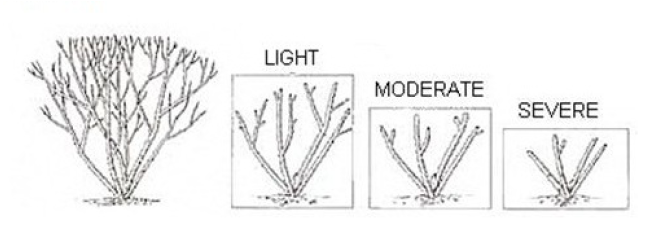
Pruning Styles
Pruning Styles
Outward-facing Bud
Outward-facing Bud

Clean and Feed

  1. Clean the ground thoroughly of all rose debris and dispose of all cuttings and other materials in your green waste bin and put it on the street: Do not compost it!
  2. Asses the irrigation system for any needed repairs while there is no new growth and mulch has not been spread.
  3. Apply a dormant spray to the plants and the soil surface to ward off diseases. Then apply 2″ to 4″ of composted mulch to cover the entire garden area.
  4. The first fertilizing will be when new growth is about 2 inches long. I recommend lower values of the three elements (Nitrogen [3], Phosphate [4],K Potassium [3]) with slightly higher value for Phosphate.
  5. Two weeks later, begin with heavier feeding every 2 weeks for great blooms or at least monthly.

Frank Brines
ARS Master Rosarian

I am an ARS Master Rosarian. If you would like personal answers to rose questions you can leave them on the TVRS website or email me at roseguy2000@aol.com.
Rose Care FUNdamentals – April 2024

Frank Brines

Frank Brines
ARS Master Rosarian

By Frank Brines, ARS Master Rosarian

March has greeted us with an abundance of fresh new foliage and hopes for beautiful blooms to come. Maybe that’s got you wondering: “How can I get better results this year?” Has doing the same thing year after year lived up to your expectations of good roses?

Gardening is a partnership between you and your plants: How about letting your garden (and your roses) “speak” to you?  Take a daily walk around your garden and get to know all that lives there. For example, take careful note of what’s typical of each variety of rose in your garden. Is the foliage of one variety usually shinier than others? Maybe more purple when young, or more green? How about the number, size, and length of stems and buds?  Do some varieties seem to need more frequent watering than others?

This awareness will help you notice earlier when something is going wrong. For example, you’ll be better able to recognize when a given variety’s foliage is starting to look dull (low water?) or has a white cast (mildew?) or orange spots on the underside of the leaves (rust?). You’ll notice insect damage sooner too, such as the yellow or bronze color and distorted or stunted growth caused by chilli thrips, the webs and “graininess” from spider mites, or the holes in petals nibbled by hoplia beetles.

Have a plan for what to do when you begin to notice the signs of stress, insect damage, or fungal disease. One approach that has become very popular over the past few decades is called “Integrated Pest Management” (IPM). It “integrates” mechanical, biological, and chemical controls to take an environmentally gentler approach for safe and successful gardening.

Mechanical Control
Your first line of defense in IPM is also the simplest and cheapest (YAY!). For rose gardeners, these include:

  • Early spring pruning that allows more ventilation through the center of the plant (reducing fungal infection).
  • Stripping off diseased leaves regularly and picking dead leaves from the garden bed, and disposing them in the green waste bin.
  • Applying a 3” to 4” layer of composted mulch or other to the entire bed to reduce evaporation, and keep the soil moisture and temperature more uniform (to avoid water stress and build robust root systems that strengthen the plant overall).
  • Rinsing down foliage to wash away dust (and the fungal spores that adhere to it).
  • Directing a strong spray of water to the undersides of foliage to blow away spider mites (usually lower branches), and aphids and thrips (usually ends of stems and buds). (Aphids are the first pest in spring, so check for them early and often: Females are born pregnant and reproduce quickly, so every time you spray them away, you prevent hundreds more!)
  • Picking gray/black Hoplia beetles (most notable on light colored blooms) from between the petals light colored roses and drowning them in a cup of soapy water. (Keep score – it’s fun!)
  • Watching for “lacy” leaves and manually squishing the tiny rose slugs on the undersides of the leaves.

Biological Control
Your next line of defense involves marshaling help from your friends in the garden. Birds and insects (such as lady bugs, praying mantises, minute pirate bugs, assassin bugs and fly larvae) all eat some garden pests:

  • Attract more of them by growing a diverse range of annual plants.
  • Add a water feature such as a birdbath.
  • Buy and release lady bugs and/or praying mantises.
  • Examine branches you prune off for praying mantis egg cases and setting them aside in a protected spot in the garden where they can mature without being trampled or tossed out.

Chemical Control
The last line of defense in IPM allows the use of pesticides – that is, anything that kills insects (insecticides), mites (miticides), or mildew and other fungi (“fungicides”). You must first identify and target just that pest. For personal safety and for minimal negative impact to pollinators and the environment, IPM advocates only the least toxic products – those labeled “Caution”. It’s always recommended that you spray in early morning or late in the day when there is no bee activity.

I know gardeners who use pesticides as their first and only defense. This is costly, time consuming, and can backfire by harming the good guys: the pollinators and other beneficials, along with other harmless insects. Not only does regular and exclusive use of powerful pesticides help your pest population develop genetic resistance to the chemicals, it kills off the other insects that would otherwise eat those pests! This is doubly bad because broad-spectrum insecticides don’t kill mites – so you can create an infestation of spider mites that will be delighted to have their insect predators eliminated! (For more on the problems associated with using only pesticides, see http://ipm.ucanr.edu/PMG/GARDEN/PLANTS/rose.html).
Gardeners who prefer to not spray often apply granular all-in-one products that combine fungicide, fertilizer, and a broad-spectrum pesticide. This is a double whammy. It kills ALL insects, including pollinators, and it likely kills off beneficial fungi in the roots and soil. In addition, you can’t use any parts of the rose for any edible product for fragrance, cooking, or tea.

Rose Garden Care This Month    
Now let’s talk about how you can apply many of these techniques this month in your garden!
You might expect that more moisture automatically means more disease (especially fungal such as powdery mildew, downy mildew, and rust), but the lower temperatures and the cleansing action of the rain (washing off dust and spores) may be offsetting that. In the next weeks you may begin to see some powdery mildew and rust.

Under these wet conditions, pay closer attention to the drainage of your soil: Roses like plenty of water but they don’t respond well to soggy soil. If you see pools of water standing in your rose beds for a few hours after a downpour, you might do well to provide a temporary path for drainage using a hoe or shovel.
Like most of us, roses love food—preferably good quality food on a regular basis. Not all fertilizers include all the micro/macro nutrients needed, so read the label on the packaging. Alternating the major fertilizer with fish emulsion of “Better Than Fish” every 2 weeks will help provide some of the micro nutrients. As I always say, organics are much better for your soil and ultimately for your garden and the environment. I’m told that sprinkling 1/2 cup of Epsom Salt (Magnesium Sulfate) around large size plants, 1/4 cup for smaller plants, once in Spring and once in Fall can assist in getting new basal breaks (new canes from the bud union). I’ve done this many times but I’m not sure it works! However, recently I’ve read that Epsom Salt helps plants assimilate other minerals (fertilizers) in the soil, and assists in “greening” up vegetation.

For general health and aeration, the soil needs a supply of organic material such as humus incorporated into the depths. That isn’t easily accomplished in established gardens, but adding a 3” to 4” of a good composted mulch over the entire garden, leaving a 12” diameter circle open around base of each bush will go a long way to enriching your soil overall because over time earthworms help transport that mulch down into the soil where the microbiology is complex and multi-tiered. Adding a handful of worm castings now is a good idea for improving the soil biome.

A healthy garden soil system is teeming with beneficial microbes that inhibit, compete with, and consume disease-causing organisms. This creates a sustainable soil “immune system.” In fact, plants grown with organic fertilizers are themselves more resistant to pests and diseases. In addition, when you feed those beneficial organisms, they feed your roses. That’s because they are busy breaking down organic matter and releasing mineral nutrients slowly and reliably. I’ve recently learned that extra phosphate in the fertilizer that you use is most important in assisting in creating a soil environment that aids immensely in helping plants to be resistant to pest and diseases. Also helping plants to develop hardier root systems and larger blooms.

Many gardeners become discouraged when they first experiment with organic treatments while still using chemical fertilizers. It is difficult—in fact, almost impossible—to have it both ways. Chemical fertilizers negatively impact the soil food web by poisoning entire portions of it. The fact is, chemical fertilizers are salts! What gardener hasn’t seen what table salt does to a slug or snail? Salts absorb water and dehydrates the soil microbes which are the foundation of the soil nutrient system. Once you’ve used chemical fertilizers regularly you must keep adding more because the soil microbiology is weakened and unable to do its job of releasing naturally available nutrients to your plants.

Rains help to leach accumulated soil salts from the soil if there is sufficient drainage. Organic fertilizers and amendments (such as manure, compost, or mulch) break down slowly, generally staying where you put them, and don’t contribute to ground water pollution (as long as you prevent run off into drains). In addition, they improve the soil food web, so in the long run you end up using less product.
Chemical fertilizers are artificial growth stimulants and, in the long run, harm your soil and pollute local waterways because as dissolved salts they quickly leach through the soil (becoming unavailable to your plants) and enter the ground water. How about swearing off chemical fertilizers for the rest of the year and starting to use organics? Give it a year. See if your roses don’t reward you! Fish emulsion diluted in water is also a good amendment, applied either foliarly or onto the soil around each bush.

You may have had some blooms already. Prune off the spent blooms. Cut the cane back to a outward facing bud at a 3-5 leaflet leaf for new growth. Air circulation is important to help prevent fungi diseases. The small spurs growing inside the bush can easily be finger pruned to keep the center of the bush free of extraneous growth.

Giving the bush an early morning shower to rinse off the leaves may help to avoid powdery mildew. Do this early enough that the leaves will dry prior to hot sun. It is possible that with night time dew a disease called Botrytis can appear as discolored spots on the blooms, especially on blooms with 40 or more petals. Remove these as soon as disease is noticed. Even with great observations and preventive methods, fungi may become a problem and chemical treatment may be needed to keep disease at bay. Make sure to deep water. An extended slow watering is more beneficial than a frequently short application.
San Diego Rose Society is planning a rose show May 4, so please make an effort to attend to see, smell and learn about different varieties and find a new one for your garden!  for more information go to: https://www.sandiegorosesociety.com/

For more ideas, visit TVRS’ Rose Haven garden at 30592 Jedediah Smith Rd., Temecula, as well as our web site at https://temeculavalleyrosesociety.org. Spread the joy of roses!

Roses with heat damaged blooms.

damaged bloom

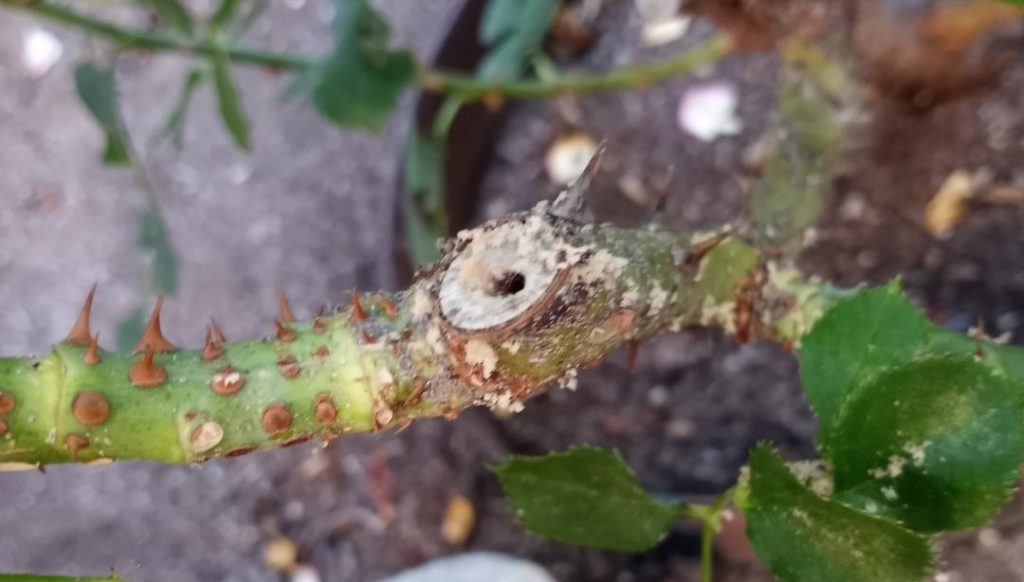
Now seems to be when the Saw Fly is active also. It is usually a minor character but can create havoc if left alone and becomes prolific. On new growth it can kill the new vegetation. It’s also called the “cane borer” because (not surprisingly) it bores into a cane and lays eggs. Here is one such hole in my own garden – this happened today! Note the sawdust on the cane!

cane borer hole

Image 3 – Cane Borer Hole

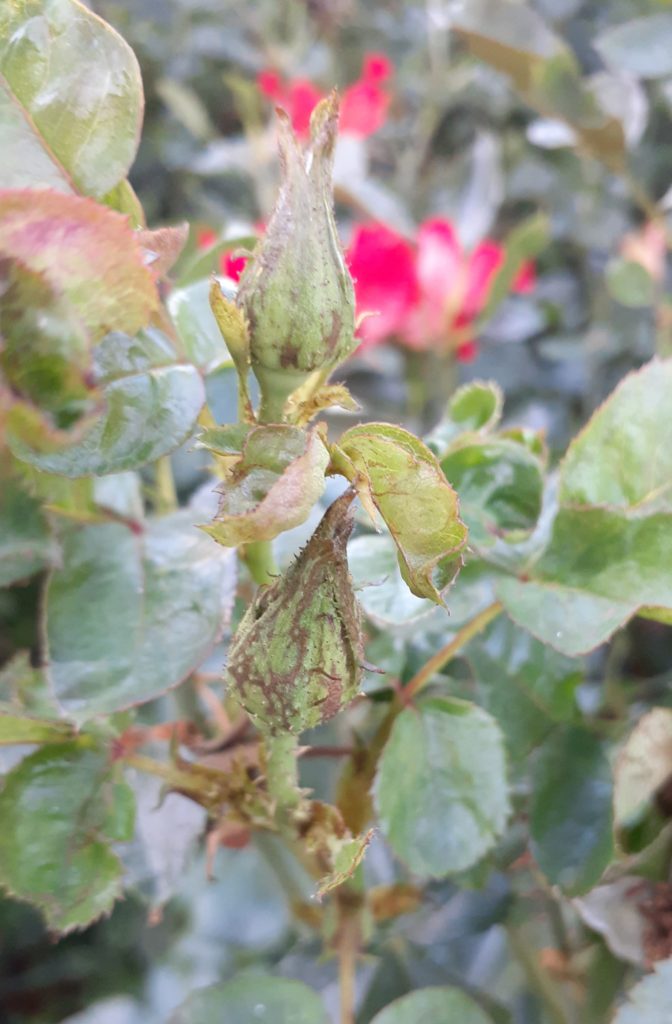
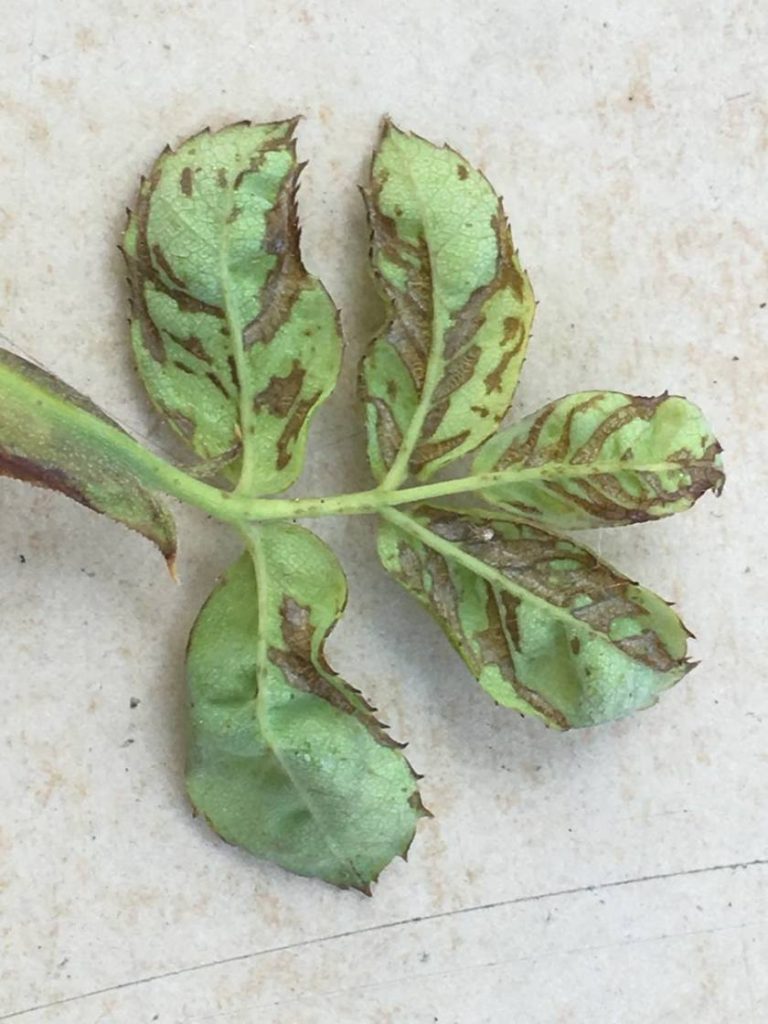
Chilli Thrips are a year-round pest but they love hot summer days best. They are 0.016 – 0.024 inch long, one fourth the size of the Western Flower Thrip. You’ll know Chilli Thrips are present only when new foliage and blooms are already damaged. Blooms will be deformed, discolored and outer petals will be darkened (Image 1). Buds will be distorted, darkened and may not open (Image 2). You’ll notice misshapen distorted new foliage and bronzing on back of new leaves (Image 3).

Deformed Rose Bloom Chilli Thrip

Image 4 – Deformed Rose Blooms due to Chilli Thrips

chilli thrip

Image 5 – Deformed Rose Buds due to Chilli Thrips

distorted foliage

Image 5 – Deformed Rose Buds due to Chilli Thrips

Chilli Thrips love ALL new foliage and bloom colors, unlike Western Flower Thrips who prefer light colors. It’s astounding the amount of damage they can do in a very short time. Control is easiest in the earliest stages since a severe infestation can rapidly defoliate a rose bush AND your other plants too. During hot weather the life cycle for Chilli Thrips is 11 days. Part of that time is spent in soil or debris under the plants. The larvae stage molt into a pupal stage and usually enter the soil or debris to eventually emerge as adults. Only the larvae and adults are feeding stages. Adults are dispersed by wind over long distances.

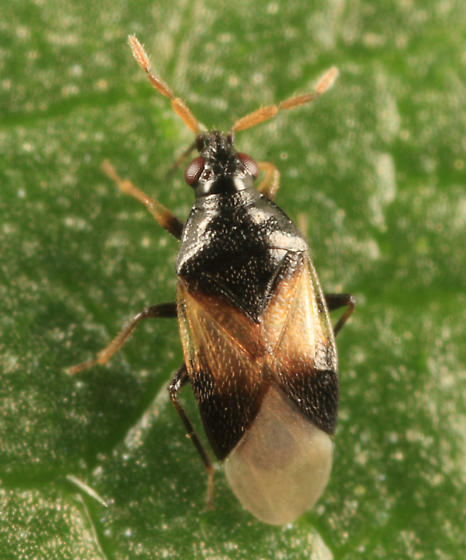
Integrated pest management stresses the importance of cultural, mechanical and biological controls before resorting to the least toxic chemical control. Since Chilli Thrips have a short life cycle (11 days) you must detect damage and implement a method of control immediately. Cut out damaged buds, blooms and leaves; remove all fallen leaves and petals from garden. A natural hero in the fight is the minute pirate bug which feast on all stages of this pest, as well as on spider mites, insect eggs, aphids, and small caterpillars. You can actually buy them on the internet!

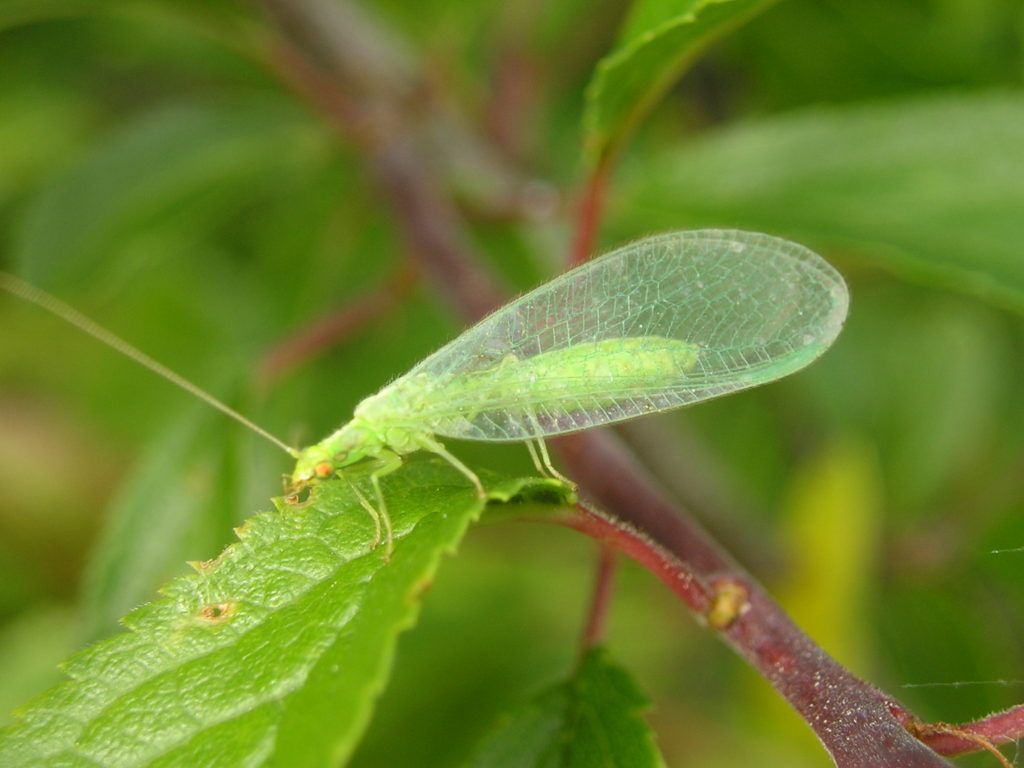
If chemical control becomes needed choose the least toxic spray and follow label directions. During infestation all new growth will need to be sprayed weekly. Conserve or Captain Jack’s Deadbug Brew concentrate are two organic sprays with active ingredient Spinosad. Spinosad will not harm ladybugs, green lacewings, pirate bugs or predatory mites. Spray early in morning or in evening after bees are less likely to be active and before temperatures reach the 80*s.

pirate bug

Pirate Bug

Lacewing

Lacewing

During you daily tour of your garden look for any changes. Examine the lower leaves. If they appear yellow or brown, have fine webbing and/or look dirty, there may be an infestation of spider mites. Some areas have experienced a real problem with spider mites this year. They thrive in hot weather. They’re generally found on the undersides of those leaves. A quick check can be made by lightly running your fingers across the underside of the leaf. If it has a small grainy feel it most likely is the spider mite. A strong spray of water from below followed by an overhead shower should take care of the problem or, at least, hold it in check. Give the shower early in the day so the plant has time to dry before the sun becomes hot. Do this every 3 days for 10-14 days, inspecting regularly. It may be necessary to repeat after a few days if the infestation is heavy. Captain Jack’s Deadbug Brew is good product to use in this case. Removing the bottom leaves approximately 8” from soil level can help in reducing or eliminating the spider mite problem. This should be done earlier, prior to an infestation.

The world is dangerous enough for plants, but we gardeners are also faced with risks. One is a dangerous fungus with the scientific name Sporothrix schenckii. It afflicts humans with the fungus infection sporotrichosis which is often referred to as the Rose Thorn (or Rose Gardener’s) Disease. The fungus resides on hay, sphagnum moss, the tips of rose thorns and in soil. It can cause infection, redness, swelling and open ulcers at the puncture site. The fungus can also spread to the lymphatic system and move on to the joints and bones where it ends up attacking the central nervous system and lungs when the thorn or thorns are deeply embedded. A relatively uncommon condition, diagnosis can be complicated. Physicians often mistake it as Staph or Strep infection. Be sure to inform your physician that you are a gardener so appropriate diagnosis and treatment are rendered.

Rose Care FUNdamentals – August 2023

Frank Brines

Frank Brines
ARS Master Rosarian

By Frank Brines, ARS Master Rosarian

Summer is certainly upon us—and based on past experience, it’s only going to get hotter before it gets cooler. (I didn’t need to tell you that at the beginning of August, did I?) 2023 is and has been very unusual weather wise breaking records all over the globe.

Since high summer temperatures and less-than-ideal conditions for roses are inevitable for the next couple of months, let’s get ready! Stroll through your gardens in the AM, look for leaf wilt, drying or discoloring of leaves and the general leaf reflectance (surface luster). If it appears dull, investigate the plant for disease, drought or pests. If you’ve taken my advice, you’re letting your roses continue their summer dormancy until about mid-September. Struggling to remain hydrated will likely produce poor quality blooms. Just remove and discard the withered petals and let the hips develop, keep the bed clean of debris, and DON’T fertilize. Be sure your irrigation program is in good condition and delivering needed water. It doesn’t take long for a rose to suffer once its irrigation supply fails.

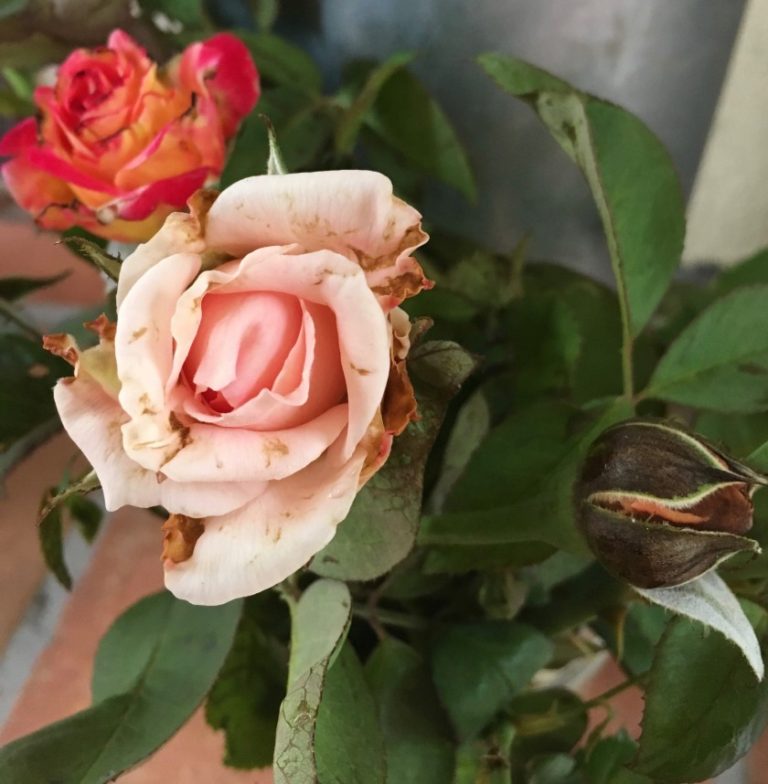
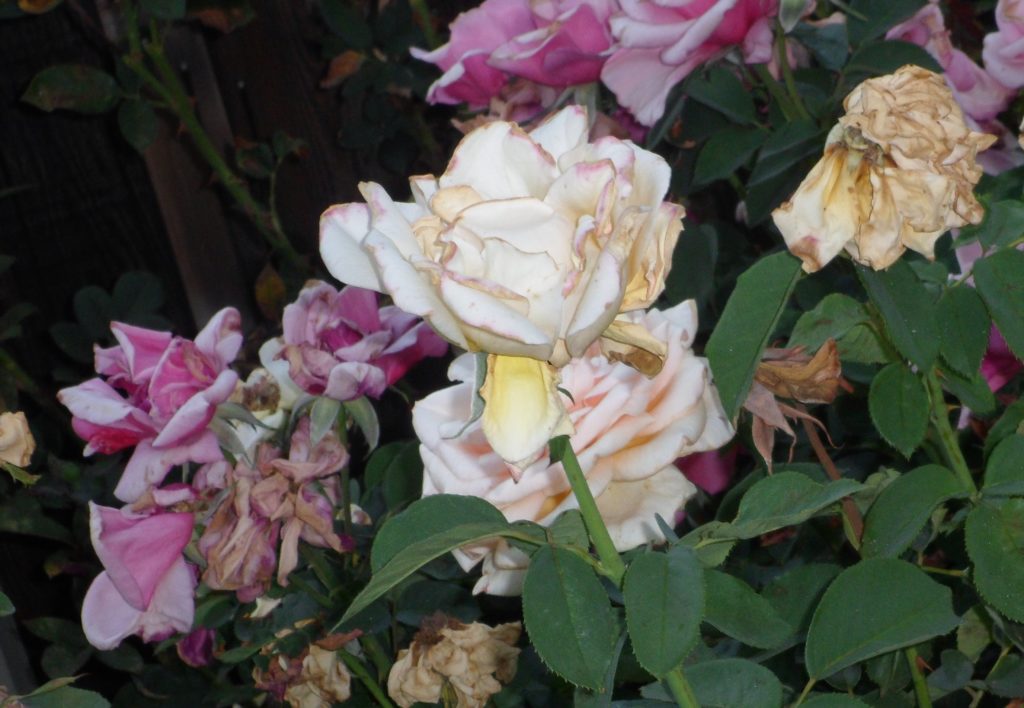
When temperatures range in the 90* zone roses like most living things perspire which requires intake of more water to keep cool and live. Roses “perspire” through cells along the edge of the leaf. If there is not sufficient moisture in the root zone browning of the leaves result. This is the sign of heat stress and needs immediate attention. This situation also limits bloom size, color and appearance of burned crinkled petals. This is why as much as 12 gallons of water per week is needed for the rose just to survive let alone produce lovely beautiful blooms. I suggest only removing the petals of any roses that bloom and any fallen debris. Do not fertilize and increase the water. Let the plant rest the best it can. In the event that foliage becomes so stressed from heat and turns brown, dead falls off be careful not to remove so much that the cane becomes unprotected from the sun and get sunburned which could kill the plant. Here are a couple of pictures That I took in my garden this A.M. I now live in an area that isn’t quite as warm as the Temecula Valley so I’m sure you’ve seen something like this in your garden with the recent temperature records. The size and color of this rose is not typical of the variety due to the heat.

Roses with heat damaged blooms.

damaged bloom

Now seems to be when the Saw Fly is active also. It is usually a minor character but can create havoc if left alone and becomes prolific. On new growth it can kill the new vegetation. It’s also called the “cane borer” because (not surprisingly) it bores into a cane and lays eggs. Here is one such hole in my own garden – this happened today! Note the sawdust on the cane!

cane borer hole

Image 3 – Cane Borer Hole

Chilli Thrips are a year-round pest but they love hot summer days best. They are 0.016 – 0.024 inch long, one fourth the size of the Western Flower Thrip. You’ll know Chilli Thrips are present only when new foliage and blooms are already damaged. Blooms will be deformed, discolored and outer petals will be darkened (Image 1). Buds will be distorted, darkened and may not open (Image 2). You’ll notice misshapen distorted new foliage and bronzing on back of new leaves (Image 3).

Deformed Rose Bloom Chilli Thrip

Image 4 – Deformed Rose Blooms due to Chilli Thrips

chilli thrip

Image 5 – Deformed Rose Buds due to Chilli Thrips

distorted foliage

Image 5 – Deformed Rose Buds due to Chilli Thrips

Chilli Thrips love ALL new foliage and bloom colors, unlike Western Flower Thrips who prefer light colors. It’s astounding the amount of damage they can do in a very short time. Control is easiest in the earliest stages since a severe infestation can rapidly defoliate a rose bush AND your other plants too. During hot weather the life cycle for Chilli Thrips is 11 days. Part of that time is spent in soil or debris under the plants. The larvae stage molt into a pupal stage and usually enter the soil or debris to eventually emerge as adults. Only the larvae and adults are feeding stages. Adults are dispersed by wind over long distances.

Integrated pest management stresses the importance of cultural, mechanical and biological controls before resorting to the least toxic chemical control. Since Chilli Thrips have a short life cycle (11 days) you must detect damage and implement a method of control immediately. Cut out damaged buds, blooms and leaves; remove all fallen leaves and petals from garden. A natural hero in the fight is the minute pirate bug which feast on all stages of this pest, as well as on spider mites, insect eggs, aphids, and small caterpillars. You can actually buy them on the internet!

If chemical control becomes needed choose the least toxic spray and follow label directions. During infestation all new growth will need to be sprayed weekly. Conserve or Captain Jack’s Deadbug Brew concentrate are two organic sprays with active ingredient Spinosad. Spinosad will not harm ladybugs, green lacewings, pirate bugs or predatory mites. Spray early in morning or in evening after bees are less likely to be active and before temperatures reach the 80*s.

pirate bug

Pirate Bug

Lacewing

Lacewing

During you daily tour of your garden look for any changes. Examine the lower leaves. If they appear yellow or brown, have fine webbing and/or look dirty, there may be an infestation of spider mites. Some areas have experienced a real problem with spider mites this year. They thrive in hot weather. They’re generally found on the undersides of those leaves. A quick check can be made by lightly running your fingers across the underside of the leaf. If it has a small grainy feel it most likely is the spider mite. A strong spray of water from below followed by an overhead shower should take care of the problem or, at least, hold it in check. Give the shower early in the day so the plant has time to dry before the sun becomes hot. Do this every 3 days for 10-14 days, inspecting regularly. It may be necessary to repeat after a few days if the infestation is heavy. Captain Jack’s Deadbug Brew is good product to use in this case. Removing the bottom leaves approximately 8” from soil level can help in reducing or eliminating the spider mite problem. This should be done earlier, prior to an infestation.

The world is dangerous enough for plants, but we gardeners are also faced with risks. One is a dangerous fungus with the scientific name Sporothrix schenckii. It afflicts humans with the fungus infection sporotrichosis which is often referred to as the Rose Thorn (or Rose Gardener’s) Disease. The fungus resides on hay, sphagnum moss, the tips of rose thorns and in soil. It can cause infection, redness, swelling and open ulcers at the puncture site. The fungus can also spread to the lymphatic system and move on to the joints and bones where it ends up attacking the central nervous system and lungs when the thorn or thorns are deeply embedded. A relatively uncommon condition, diagnosis can be complicated. Physicians often mistake it as Staph or Strep infection. Be sure to inform your physician that you are a gardener so appropriate diagnosis and treatment are rendered.

Rose Care FUNdamentals – May 2023

Frank Brines

Frank Brines
ARS Master Rosarian

By Frank Brines, ARS Master Rosarian

This year continued the signs of climate change with below-average temperatures and above-average rain and snowfall as well as chaotic weather patterns nationwide. Rose growth and development are dependent on weather, and flower production is particularly impacted by inconsistent temperatures, sun and water. All of this has made it more difficult for me to predict what to do and when to do it! Typically the first flush of blooms is expected after eight to ten weeks, usually on the longer side. This year it was 10-11 weeks. In this area, the first annual rose shows was April 22, and local exhibitors had fewer roses for the shows.

The longer time frame for rain and cool nights set up the environment for some rust, mildew and Botritis fungi. A few applications of fungicide spray would help to reduce or delay the outbreak. 

But now that we’ve seen the return of abundant sunshine we’re seeing larger blooms—so I hope your roses are starting to surge! If you didn’t apply fertilizer earlier, be sure to do so soon (more about this a little later), along with plenty of water to maintain this production curve. A few hot windy days can quickly evaporate ground moisture, especially if you don’t have at least a couple inches of mulch spread in the beds. Know the soil composition in your garden so you know how much water to apply to maintain good soil moisture without drowning the roots—or wasting water. 

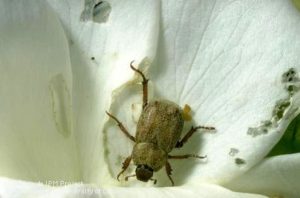
Be vigilant for changes, diseases, and pests in your garden now, and be prepared to act on these immediately. The Hoplia beetle appeared in April with just a few hot days. I usually see this beetle in May. I think we can now expect it in April, so mark that on your 2024 calendars for their appearance. They can do serious damage to rose blossoms in no time, starting on light colored varieties. The Hoplia is easy to remove: Just drag it out from between the petals with a screw driver or Q-tip and plop it into a cup of sudsy water. (Note: To learn to identify Hoplia beetles, just do a search on the Internet. Bottom line however: If you find little holes in light colored petals, and you find beetles nestled between the petals, you’ve probably got Hoplia – dig ’em out!)

Hoplia Beethe
Hooplia Beetle and Petal Damage

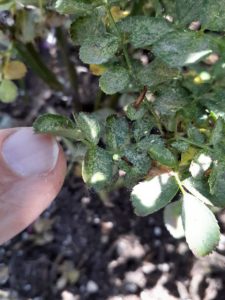
Another early visitor is the spider mite. Damage can happen well before the casual observer will notice  it—so look closely: Inspect the underside of the leaf and look for tiny black granules, and if you run your finger lightly over the underside of leaf it will feel gritty. You can also try holding a sheet of paper under the leaf and shake the leaf or scratch them onto the sheet of paper. If you miss the first  phase you will see an unusual mottling of the leaves as seen from the top of the leaf.

Spider Mite
Spider Mite

Blooms mature quickly in warm weather, so as they fade, lightly prune back to the first outward facing five-leaflet leaf. Try to shape the bush to outward facing buds. If you can, retain canes that are larger than the diameter of a wooden pencil. Doing this now, your next blooms will appear around mid-June before the summer heat. Make sure to put all pruned-off vegetation into your green waste barrel. 

Roses want a constant supply of nutrients, including micro-nutrients such as copper, iron, manganese, magnesium, as well as macro-nutrients such as Phosphate (P) and Potassium (K) which help develop strong root systems, better blooms, and prevent stress during adverse conditions. Remember that you are also feeding the soil microbiome which is complex and multi-tiered, abundant in beneficial microbes which create a sustainable soil diversity acting like an immune system. 

Try avoiding chemical fertilizers which harm your soil ecosystem. Plants grown with organic fertilizers are themselves more resistant to pests and diseases. If you feel that your efforts are failing at getting the right type and mix of nutrition for your garden, you might find that a soil test kit for analyzing the soil’s needs helps you choose the right treatment.

Organic amendments such as manure, compost or mulch stay where you put them, break down slowly, don’t contribute to ground water pollution (as long as you prevent run off into drains), improve the soil food web, so that in the long run you end up using less product while providing “food” for all the creatures like earth worms who act like rototillers mixing them into the soil to lower depths. 

It is never too late to apply a thick layer of mulch! Mulch keeps the entire bed uniformly supplied with water. Use composted mulch, not wood products. (Pine needles are good too!) Apply to a depth of 3 to 4 inches. Avoid mulch containing wood chips because as they breakdown they rob the soil of Nitrogen, and they can become a medium for fungal growth that is impenetrable to water, fertilizers, and oxygen. 

Keep an eye on your garden for water stress, insect pests, and fungal diseases. Do not use a formula that treats everything. Use only a product especially for the specific problem, follow the directions and dose rate carefully, and treat in proportion to severity, as well as your level of acceptance. If control is lost it may be necessary to strip off all of the diseased leaves and prune back and basically start over. 

Some organic formulas use neem oil, insecticidal soaps, baking soda, etc. Read entire labels and use according to directions, including safety equipment to avoid exposure to contaminates. Keep your skin covered when applying chemical treatments. Use approved goggles for eye protection, respirator mask, long sleeve shirt, water/chemical resistant boots and gloves. When the treatment is completed, immediately remove clothing and wash. Take a good shower to remove any possible contamination.

Over the past decade or so, Southern California gardens have been showing an increased prevalence of the fungal disease “Black Spot.” It appears as dark green to black spots on leaves, which often turn yellow and fall off. The infected leaves (even those that drop) produce spores that can infect other leaves. There are many fungicides available, but control can be difficult. Sometimes you just have to remove and dispose of any affected leaves.

Another new pest in our region is the Chilli Thrip. Some gardeners are reporting Chilli Thrips in their gardens already. I have seen some evidence of thrips too. It’s much smaller than the Western Thrip that we’re accustomed to and more devastating as it eats ALL varieties of vegetation. Control is quite difficult and new treatments are being studied. Products containing Spinosad bacteria seem to help control soft-bodied larvae, but be aware that even such “natural” products can kill other (beneficial) insect species. 

I’ve grown many varieties of roses in my gardens. Most will grow well in the Temecula Valley. Some varieties I recommend; Mr Lincoln. Outta the Blue, Easy Does It, Touch of Class, Double Delight, Joey, Gold Medal, Graham Thomas, Fragrant Cloud, Fragrant Plum, Sunsprite, Playboy, Sally Holmes, Ballerina, Tropical Lightening,Hey Jack, Neptune, Violet’s Pride.

Heads up for high summer: Don’t expect great roses during July-September when temperatures are high! Just keep plants well hydrated, and remove just spent petals, leaving the “hips” (don’t prune). The plants will enter a short dormancy and build strength for Fall. Look for more information here next month.

I am an ARS Certified Master Rosarian; that means that my mission is to spread the knowledge and love of roses – for free! If you would like personal answers to questions you can write me at roseguy2000@aol.com

And when you’ve got a moment to spare, go visit Rose Haven, located at 30592 Jedediah Smith Road (the cross street is Cabrillo Avenue) in Temecula. Also, visit our web site, www.TemeculaValleyRoseSociety.org. You might also want to visit Facebook.com and search on Temecula Valley Rose Society to find events of interest to you. 

Now, let’s get out there and spread the word and the joy of roses!

Rose Care FUNdamentals – April 2023

Frank Brines

Frank Brines
ARS Master Rosarian

By Frank Brines, ARS Master Rosarian

Wow, talk about a “change in the weather”!  This Winter has seen an additional 10” of rain in Temecula compared with last Winter (December thru March). While that bodes well for water available to drive growth, we’ve also seen lower average high temperatures: While last Winter’s highs tracked the historic average (with some days getting as warm as 84o), this season each month’s highs have averaged 8o to 10o below normal. (“Normal” is usually the average for the previous 20 to 30 years, depending on the source.) 

That means that the air and soil haven’t warming up as much as normal, so roots and new shoots are less active. Consequently, you’re probably seeing slower growth. Most years by now you’d have—or be about to have—your first flush of blooms (8 to 10 weeks after your Winter pruning), but this year you’re likely to see at least a 2-week delay.

As far as diseases are concerned, you might expect that more moisture automatically means more disease (especially fungal such as powdery mildew, downy mildew, and rust), but the lower temperatures and the cleansing action of the rain (washing off dust and spores) may be offsetting that. In the next weeks you may begin to see some powdery mildew and rust, especially if you haven’t begun a preventative spray program.

Under these wet conditions, now is the time to pay attention to the drainage of your soil—roses like plenty of water but they generally don’t respond well to soggy soil. If you see pools of water standing in your rose beds for a few hours after a downpour, you might do well to provide a temporary path for drainage using a hoe or shovel.

Roses love food—preferably good quality food on a regular basis. Not all fertilizers include all the micro/macro nutrients needed, so read the label on the packaging. Alternating the major fertilizer with fish emulsion every 2 weeks will help provide some of the micro nutrients. As I always say, organics are much better for your soil and ultimately for your garden and the environment. I’m told that sprinkling 1/2 cup of Epsom Salt (Magnesium Sulfate) around large size plants, 1/4 cup for smaller plants, once in Spring and once in Fall can assist in getting new basal breaks (new canes from the bud union). I’ve done this many times but I’m not sure it works! However, recently I’ve read that Epsom Salt helps plants assimilate other minerals (fertilizers) in the soil. It assists in “greening” up vegetation.

For general health and aeration, the soil needs a supply of organic material such as humus incorporated into the depths. That isn’t easily accomplished in established gardens, however adding a 3 – 4 inches of a good composted mulch over the entire garden, leaving a 12” diameter circle open around base of each bush will go a long way to enriching your soil overall because over time earthworms help transport that mulch down into the soil where the microbiology is complex and multi-tiered. Adding a handful of worm castings now is a good idea for improving the soil biome.

A healthy garden soil system is teeming with beneficial microbes that inhibit, compete with, and consume disease-causing organisms. This creates a sustainable soil “immune system.” In fact, plants grown with organic fertilizers are themselves more resistant to pests and diseases. In addition, when you feed those beneficial organisms, they feed your roses. That’s because they are busy breaking down organic matter and releasing mineral nutrients slowly and reliably. I’ve recently learned that extra phosphate in the fertilizer that you use is most important in assisting in creating a soil environment that aids immensely in helping plants to be resistant to pest and diseases. Also helping plants to develop hardier root systems and larger blooms.

Many gardeners become discouraged when they first experiment with organic treatments while still using chemical fertilizers. It is difficult—in fact, almost impossible—to have it both ways. Chemical fertilizers negatively impact the soil food web by poisoning entire portions of it. The fact is, chemical fertilizers are salts! What gardener hasn’t seen what table salt does to a slug or snail? Salts absorb water and dehydrates the soil microbes which are the foundation of the soil nutrient system. Once you’ve used chemical fertilizers regularly you must keep adding more because the soil microbiology is weakened and unable to do its job of releasing naturally available nutrients to your plants.

Rains help to leach accumulated soil salts from the soil, provided there is sufficient drainage. Organic fertilizers and amendments (such as manure, compost, or mulch) break down slowly, generally staying where you put them, and don’t contribute to ground water pollution (as long as you prevent run off into drains). In addition, they improve the soil food web, so in the long run you end up using less product.
Chemical fertilizers are artificial growth stimulants and, in the long run, harm your soil and pollute local waterways because as dissolved salts they quickly leach through the soil (becoming unavailable to your plants) and enter the ground water. How about swearing off chemical fertilizers for the rest of the year and starting to use organics? Give it a year. See if your roses don’t reward you! Fish emulsion diluted in water is also a good amendment, applied either foliarly or onto the soil around each bush.

You may have had some blooms already. Prune off the spent blooms. Cut the cane back to a outward facing bud at a 3-5 leaflet leaf for new growth. Air circulation is important to help prevent fungi diseases. The small spurs growing inside the bush can easily be finger pruned to keep the center of the bush free of extraneous growth.

Giving the bush an early morning shower to rinse off the leaves may help to avoid powdery mildew. Do this early enough that the leaves will dry prior to hot sun. It is possible that with night time dew a disease called Botrytis can appear as discolored spots on the blooms, especially on blooms with 40 or more petals. Remove these as soon as disease is noticed. Even with great observations and preventive methods, fungi may become a problem and chemical treatment may be needed to keep disease at bay. Make sure to deep water. An extended slow watering is more beneficial than a frequently short application.

Now that we’re no longer social distancing and masking, rose societies are returning to regular meetings and suggesting for persons with a health issue to wear a mask for their protection. San Diego Rose Society is planning an April 22 PSW District Convention and rose show; for more information, go to: https://www.sandiegorosesociety.com/

This promises to be a big show, so please make an effort to attend to see, smell and learn about different varieties and find a new one for your garden! 

For more ideas, visit TVRS’ Rose Haven garden at 30592 Jedediah Smith Rd., Temecula, as well as our web site at TemeculaValleyRoseSociety.org.  Spread the joy of roses!

Rose Care FUNdamentals – February 2023

Frank Brines

Frank Brines
ARS Master Rosarian

By Frank Brines, ARS Master Rosarian

In southern California winter is usually short and sometimes confusing. Winter for some plant life is a time of withdrawal that precedes renewal. For roses it is necessary to help them in that process. Now is the time to perform a few procedures to help reset the hormonal clock and get them ready for a great year of rose blooms. That’s the main purpose for pruning.

According to experienced rosarians, the proper time for the major annual pruning is “late winter.” This has many meanings in an area like So Cal which has numerous weather zones. Bottom line: Prune late enough to avoid risking frost damage to the tender growth that will emerge as a result of pruning. After this pruning, you can usually expect a flush of blooms 8 to 12 weeks later, depending on the temperatures during that period—the warmer it is, the shorter the time to blooms. But all things being equal, if you prune in the latter half of February you will likely have blooms in mid- to late-April. If you want blooms for a specific date, count backwards approximately 10 weeks from that date. Pruning should be complete on this date.

In most of our region the last average frost date is mid March, so that means you’re probably safe pruning in mid- to late-February. It is always a gamble and the best advice is to watch the weather. If there is winter rain during January/February, pruning can be held off awhile since these rains are cold making the ground colder and wetter than usual.

If you haven’t began or finished pruning by now, don’t fear: There is still plenty of time to have blooms for rose shows or special spring events!

Rose Care FUNdamentals – January 2023

Frank Brines

Frank Brines
ARS Master Rosarian

By Frank Brines, ARS Master Rosarian

Happy New Year—let’s hope for ideal rose growing weather for 2023. We finally got a December with the needed winter chill to help rose have a dormancy period.      

This month I’m going to help you get ready for the major late-winter pruning you should do in late January to late February. (I’ll provide details on pruning in my February column.) To get you started before that, plan to attend the Temecula Valley Rose Society’s pruning demonstration Saturday January 21, 10 A.M to noon at Rose Haven Heritage Garden (30592 Jedediah Smith Road in Temecula, just a few blocks north off of Temecula Parkway). Please bring clean, sharp, by-pass pruners in good working condition, and be prepared to learn and to lend a hand pruning under experienced direction. This will be a great opportunity to get your questions answered, hone your skills, and boost your confidence. You can also wish to check local newspapers and nursery websites for additional hands-on pruning classes.

Be patient about getting the itch to start pruning your rose bushes. As much as you’d like to have blooms as soon as possible, don’t jump the gun! Some gardeners think pruning in December or early January will give them a head start on flower production, but that’s risky. First, even if January brings exceptionally warm air temperatures, the soil will still be quite cold, so the roots (and stems) will not be “revved up” for much active growth—your head start won’t amount to much. Second, and more importantly, if early pruning is followed by a hard frost you’ll probably lose the tender young growth and have to prune again. Will the remaining canes be long enough and have enough stored energy for vigorous spring growth? Will you have enough outward-facing buds? Probably not. Simply stated, pruning too early will set back stem growth and flower production and ruin your chances of strong, well-formed plants.

I think you’ll be able to hold off after experiencing the recent storms that brought plenty of cold rain and near freezing night-time temperatures to the Temecula Valley! This week’s weather forecast for the Temecula Valley (and other inland valleys) for the next two weeks is for chances of rain in most areas and lows in the low to mid 40s with with an occasional high 30s. In the Temecula Valley, the last average frost date is March 31, so you’re probably safe pruning any time in February. Of course, it’s always a gamble. The best advice is to watch the weather!

Late-winter pruning resets the plants’ biological clock, acting as a wake-up call to begin a new life cycle. You can expect the first flush of blooms about 10 weeks after pruning. But this month get your tools ready! You need a good pair of sharp “bypass” hand pruners that fit comfortably in your hand. “Bypass” pruners have a sharp curved cutting blade (which slices through the cane) and a dull curved non-cutting blade (which holds the cane in place during the cut). The sharp blade “bypasses” or slides over the dull curved blade. This is in contrast to pruners that have a sharp flat blade that comes to rest against a flat dull blade; toss those pruners out!

At minimum, also have at least one pair of sturdy loppers handy. Each size has a maximum diameter it can cut efficiently. Using pruners or loppers that are too small on a too-large cane can damage both the tool and the cane. A hand saw with a narrow blade can also be handy if you have some older plants with large canes that may need to be removed. A “keyhole” saw works well for this.

Clean your tools—and keep them clean! Rubbing alcohol and cotton balls are ideal for cleaning cutting blades, before, during and after the job. This helps prevent disease transmission from plant to plant and you can use it as first aid on your own cuts, scratches, and punctures! (On that note, a good pair of leather gloves are necessary with long sleeves or separate pair of sleeves to protect our arms.) If a major cleaning is needed, use WD40 and 0000 steel wool; if necessary, disassemble and soak for 15 – 30 minutes, wipe clean and reassemble. Lubricate your tools with a light oil such as 3-in-1.

Be prepared for the after pruning task by buying copper fungicide dormant spray now. Dormant spraying roses will help ward off rust and mildew from roses in the coming season. December and January are the best times of the year to apply dormant sprays.

January and February are excellent months for planting new roses which are in garden centers now. There are many sources: local nurseries (Armstrongs and Walter Anderson) and reputable online retailers who specialize in roses. New stock will begin appearing in nurseries this month, and online suppliers usually ship in mid-January. (Does that tell you anything?) But be sure to shop early for the best selection—and if you have access to it, be sure to consult your American Rose Society Buyer’s Guide (which you will receive with your annual ARS membership or renewal). Still, one can usually wait until March to plant and still expect the roots to form relationships with beneficial soil fungi and become showstoppers as early as May, well ahead of the summer heat. Potted rose bushes are best for these late plantings.

Roses offered for sale are rated by quality. You want only #1 roses—they are the surest guarantee of success, with all horticultural methods employed to provide satisfaction—don’t waste your time and money on anything lower. Higher quality plants have a higher chance of success, require less effort, and acclimate faster. Also, the cost of any rose is a very small fraction of what you will eventually invest in that plant over the years in water, fertilizer, pest control, and effort, so why not start with a first-quality plant?

Roses may come to you “bare root,” potted, or packaged. Bare root plants are just that, usually packed in wood chips to keep the roots damp and viable. They are slow to thrive and it’s best to get them early and plant immediately so they have the maximum amount of time to become established. (When you acquire a bare root rose, be sure to soak its roots in water for 24 hours, then plant promptly.) Packaged roses are the slowest to thrive as they have been drastically root pruned to fit into the plastic sleeves. Potted roses make the quickest and most successful transition to the garden, but they also tend to be more expensive and not as plentiful in selection, and I’ve detected that many nurseries will pot up bare root plants immediately upon arrival to stores so inspect those selections. But as I said, the initial cost will pale against what you put into the plant in the years to come.

So, spend this month getting ready for “The Big Prune” and I will provide guidance on that all-important annual task in the February column.

Visit www.temeculavalleyrosesociety.org for information on future programs and events in the garden. And spread the joy of roses!

Rose Care FUNdamentals – December 2022

Frank Brines

Frank Brines
ARS Master Rosarian

by Frank Brines, Master Rosarian (ARS)

Perhaps gardeners are among the first to experience the effects of climate change. Gardeners have increasingly been experiencing diseases and critters never before seen in our region. Many are results of the changing climate which brings new and unfamiliar environments from other regions. One recent example of this, in my opinion, is the cancellation of the Palm Desert rose Show on November 12, 2022. Reportedly major rose exhibitors informed the Show committee that their roses suffered severe damage from Chilli Thrips and the unusual high-temperature Fall weather. In my nearly 40 years of  growing roses in the Pacific Southwest District this is the first show cancellation to my knowledge. 

I mentioned last month that the Asian “chili thrip” is spreading rapidly in the Southwest and is becoming a global threat. This pest is extremely successful and particularly resistant to conventional control methods. The chili thrip is even smaller than the western thrips we’re familiar with. It works in similar ways, only more devastating and more difficult to control. It doesn’t seem to have any preferences except new growth of almost any plant and blossom. Its damage resembles the effects of Roundup over spray or rose virus: severely stunted and very narrow leaves, stems, and buds. Gardeners I’ve spoken with use several different products to gain some control, but a regular program is necessary with applications weekly at least. 

All of this should lessen your feelings of insecurity if your garden has not performed to your expectations this past season. I’ve heard many complain that pests and disease were out of control in August/September. (Personally my garden was unattended for weeks in August and fell into that category as well, but that’s on me!)

If you’re in this situation, the only practical road to control is to prune out the affected parts and consign them to the green waste bin. Then immediately apply a chemical insecticide spray and begin a spraying program as directions indicate or, every 7-10 days until control is reached, then at two weeks intervals.

Depending on which side of the valley you live, weather has been relatively good for our fall roses. Roses were still be seen actively growing and blooming in many Temecula Valley gardens during the Thanksgiving holiday, as most areas still haven’t had low temperatures anywhere near frost which, on average, occurs in mid-November.  Normally, lower nighttime temperatures cool the soil and reset the roses’ biological clock to slow down and go into a kind of dormancy. Roses need a four- to six-week dormant period during the winter months to allow them to undergo natural hormonal changes that prepare them for the next growing season, including forming buds at the base of the plant to produce new canes. At this point, aside from pruning away diseased branches (as described above), I encourage you to not deadhead or prune until late January to early February.

Be sure to monitor your plants when daytime temperatures are warm: They still need to be kept hydrated! Also, do NOT fertilize until after your major pruning in January or February—I’ll provide thorough information on all that early next year. Speaking of fertilizer, the San Diego Rose Society is currently taking annual fertilizer orders for January delivery to have on hand when new spring growth is 2”-3” long; go to their website for more information: https://www.sandiegorosesociety.com/fertilizer-sale.

There is still time to order that new rose you have been dreaming about. Garden stores may still be adding to their list of orders, or go to your favorite online nursery and make your order. There are many fine new roses that you simply must have. Many are more disease resistant than in the past. Most nurseries or wholesalers no longer print catalogs, so for a list of current roses available from each you will have to go online. Walter Andersen Nursery will soon have recently potted roses available. You can view the varieties that will be in stock by going to their website. I’m sure other nurseries will have similar information on their websites.

A few new varieties I find of interest are: At Last (floribunda, good apricot color, fragrance, disease-resistant); Bordeaux (floribunda/WineRed, large blooms, heat tolerant, disease resistant); Easy Spirit (floribunda/White, Hybrid T form, fragrance, hybridizer Tom Carruth, disease resistant, lasting form); Frida Kahlo (floribunda/Scarlet Redstriped gold, small clusters, mild fragrance, disease resistant, compact, hybridizers Christian Bedard & Tom Carruth); Gaye Hammond  S (Bright Yellow with touches of orange, slight fragrance, disease resistant, bloom making machine); Parade Day (Grandiflora/Fuchsia Pink Striped White, strong fragrance, hybridizer Christian Bedard, holds color); Flowerland (Shrubby, Pink, low (1.5′) growing habit, 60—65 petals, fragrant; it would be great for small spaces or en mass); Golden Iceberg (mild spicy fragrance).

Rose Care FUNdamentals – November 2022

Frank Brines

Frank Brines
ARS Master Rosarian

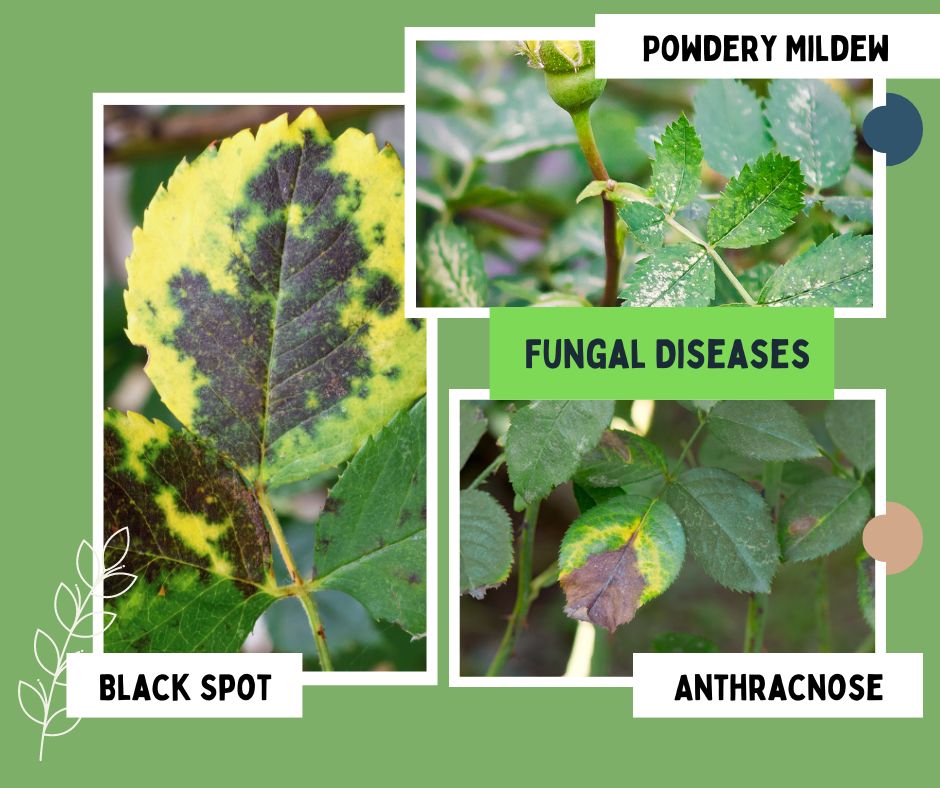
The weather has moderated slightly, can we relax? Fall brings warm days and cool nights, conditions that can ensure large colorful blossoms.  But those same conditions can also bring moisture and a daily accumulation of ash and small dust particles. These create a great environment for fungal diseases. One example is powdery mildew. Early on it shows slight purple splotches on the underside of leaves and white powdery spots on top and white powder on the peduncle (neck) of the rose blossom.

Another common fungal disease is Black Spot. It is marked by black spots with fuzzy edges, then turn yellow and brown. Often it does not kill the plant outright but, over time, the loss of leaves can weaken the plant making it more susceptible to other stresses and to winter damage. It first develops on upper leaf surfaces, later adjacent areas turn yellow and leaves drop prematurely, usually beginning at the bottom of the plant progressing upward.

Yet another disease that presents similar signs is Anthracnose. It produces spots that are smooth edged with centers that turn gray and drop out. Treatment is the same for all three disease: Fungicide. If you’re unsure which disease(s) your roses are battling, just be sure the product is labeled for all three.

fungal diseases

Roses benefit from a good rinsing to remove accumulated dust: Be sure to keep moisture off the blossoms to prevent yet another fungal disease, Botrytis, which will appear as rot of blossoms and will usually prevent them from opening. Another sign is red blotches on blooms.

One more pest: Check out my September 2021 article on Chilli Thrips: https://www.temeculavalleyrosesociety.org/nl/NL202109.shtml#h12. Continue to investigate for these pests and treat if found. They attack new growth, buds and blooms. Left untreated plants are stressed greatly, often shriveling the end buds or preventing bud formation. The life cycle of Chilli Thrips is short and includes falling to ground and becoming a grub and reappearing when warm weather arrives. One application of a pesticide spray is not sufficient for control. Follow the prescribed frequency on the product directions.

If you completed the light mid-season pruning in September/October as suggested in an earlier article, you pruned out dead, crossing canes, and thinned the middle of the plant. This will improve air circulation through the bush and reduce possible fungal diseases. This mid-season pruning and fertilizing encourages a new blooming cycle. Feel free to cut some of  early blooms now and take them inside for bouquets.

Fall is a good time to check the pH of the soil. It should be slightly acidic, between 6.0 and 6.5. Any reading significantly below or above these levels will inhibit roses ability to use the nutrients you are giving them. Treating the pH problem now will give ample time for adjustments prior to spring pruning.

Unless you plan to exhibit, I do not recommend fertilizing after mid-October, but you may make a final application of fertilizer for the year before mid-November. If you do this, use a fertilizer lower in Nitrogen (N) and higher in Phosphate (P) and Potassium (K); that is, if your fertilizer has an N-P-K

Rose Haven Flora – October 2022

Bonnie Bell

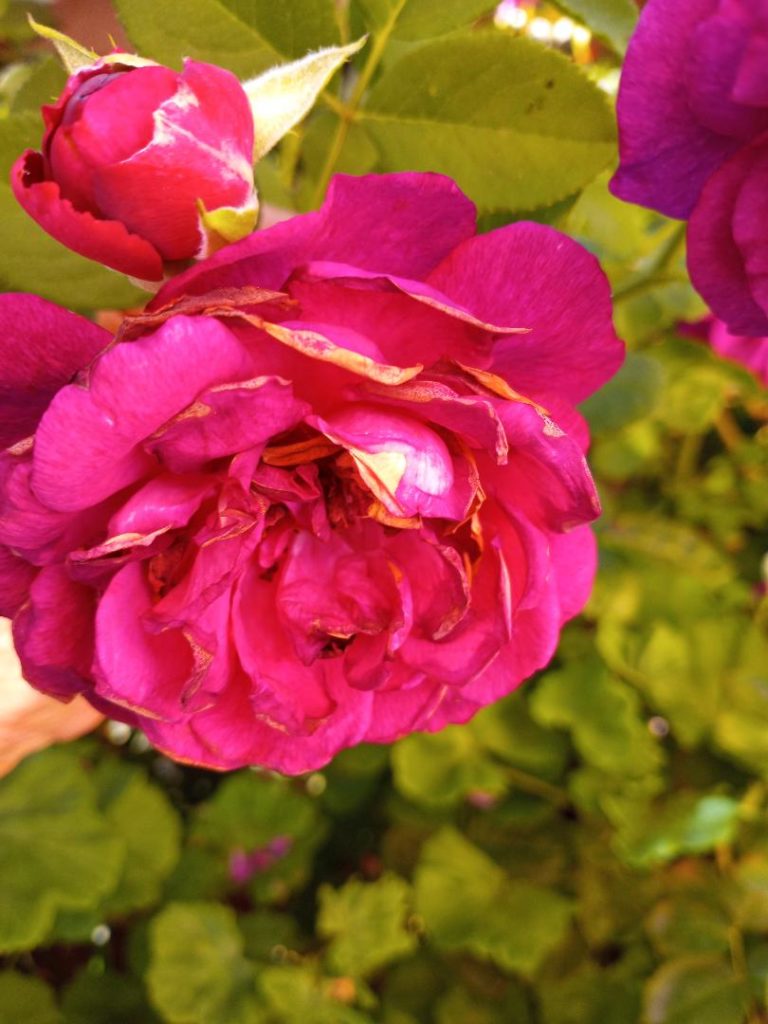
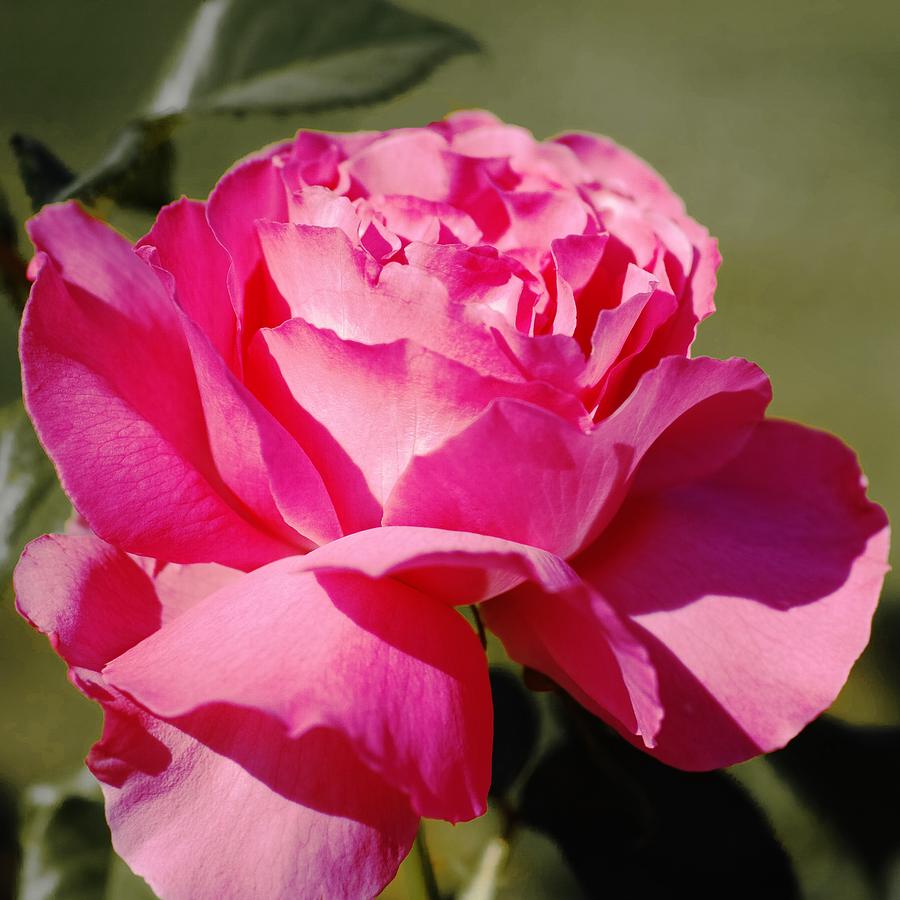
Autumn has arrived and with the cooler weather the roses at the garden are becoming robust once again. One of the most vigorous is Grand Dame a hybrid tea with vivid deep pick petals and very full blooms. Its fragrance is like the perfume of the ‘old time’ roses.

Grand Dame was hybridized by Tom Carruth for Weeks Roses with a parentage of Wild Blue Yonder x Meredith and released in 2011.  This is a big shrubby rose with large nodding flowers, deep-green leaves, and grows to almost six feet tall and wide at Rose Haven.  The ARS rating is 7.7 and it appears to be impervious to rose diseases in our Temecula Valley area.

You will find several Grand Dame roses in the Original Garden, area 2 on the Rose Haven map.  Please visit soon and enjoy all the garden delights.  Address is 30592 Jedediah Smith Road, Temecula.